[vc_row][vc_column width=”1/1″][vc_column_text]Do your children find it hard to read? Are your children rubbing their eyes a lot? Children are more likely to have eye problems. Children are increasingly exposed to mobile phones and laptops, which has led to an increase in common eye problems.
It is important to recognize the problem and take appropriate actions to ensure they can perform daily activities without any difficulty.
Let’s take a look at common eye problems that children may have and how we can treat them. It is important to recognize the symptoms that children with common eye problems have before we get into the details.[/vc_column_text][vc_custom_heading text=”Common Eye Problems Symptoms to be Looked for in Children” use_theme_fonts=”yes”][us_image image=”7513″ size=”full” align=”center”][ultimate_spacer height=”10″][vc_custom_heading text=”Common Eye Problems Symptoms to be Looked for in Children” use_theme_fonts=”yes”][vc_column_text]Children with common eye problems are most likely to experience the following symptoms:
- Poor focus
- Sensitivity to light
- Reading difficult
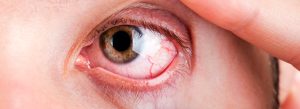
- Eye redness
- Inability to see distant objects or the blackboard
- Rub your eyes
- Too close to the TV
[/vc_column_text][vc_custom_heading text=”Common Eye Problems for Children” use_theme_fonts=”yes”][vc_column_text]
Amblyopia (Lazy Eye):
Amblyopia is an eye condition that causes the brain not to process the inputs coming from one eye, and in time, begins to ignore the inputs. This blocks the development of vision in the weaker eye, resulting in long-term vision problems. Common signs of amblyopia are squinting and poor depth perception and eye wandering or head tilting, among others. It can be treated with glasses, eye patches, and drops for the eyes. A pediatric eye doctor may consider surgery in certain cases.
Chalazion:
It is a swelling of the upper or lower part of the eyelid that is caused by blockage or swelling of the oil gland. At first, it’s not painful but when it becomes infected, the swelling can spread to the entire eyelid and causes pain. It could even increase than normal and cause a cover to the pupil of the child and cause common eye problems. Small chalazion typically disappears at their own pace within a few months but larger and infected ones need to be treated with liquid drops for the eyes, a warm compress surgical drainage, or removal.
Astigmatism, Farsightedness, And Near-sightedness:
The three conditions, known as refractive errors are the most frequent eye issues in both adults and children. They usually result from defects on the cornea’s surface which prevent light from getting focused onto the retina. The condition can be treated through prompt diagnosis by wearing prescribed lenses or glasses by a doctor.
Strabismus:
It is a condition in which eyes move in a different direction and aren’t properly aligned when focusing on an object. Children may be born with strabismus or they get it as they grow older. However, if it lasts for a longer time and causes amblyopia, the condition can be aggravated. It can be treated as early as age 0 using eye patches and exercises, as well as glasses, etc.
Epiphora:
This is an affliction where children experience constant excessive tearing or watery eyes. It’s caused by an obstruction in the tear ducts inflammation, ocular surface disorders, or allergies. It usually improves over a while but should it continue to persist and is not resolved, it can be treated by using eye drops, massage, and minor surgeries.[/vc_column_text][vc_column_text]Prevention is better than treatment. Regular check-ups with an eye specialist are the best way to prevent children from developing common eye problems. These check-ups should be done at least once per year. By doing so, potential and common eye problems can be detected early so that treatment can begin before they become worse.
It is possible for children to not be able to see when their vision is impaired so parents should be vigilant. Parents need to make sure their children don’t spend too much time on digital screens and encourage them to engage in other activities. They should also be alert for signs that a child may have an eye problem.[/vc_column_text][/vc_column][/vc_row]